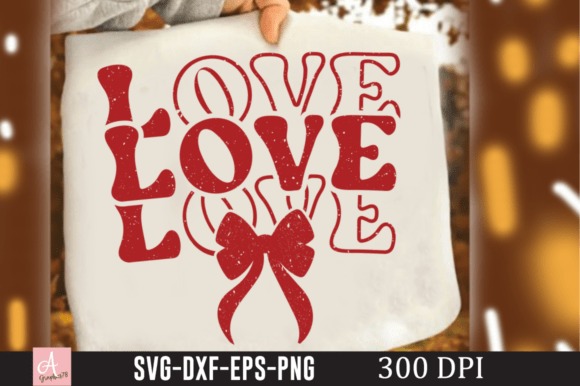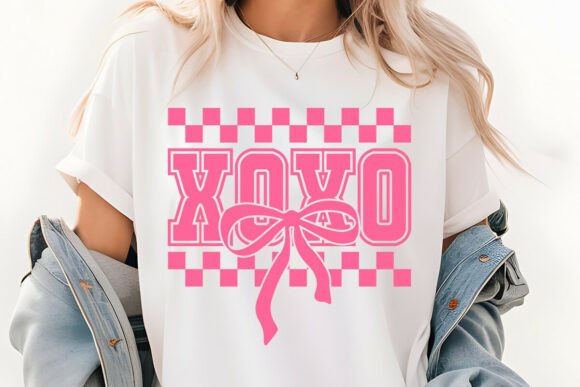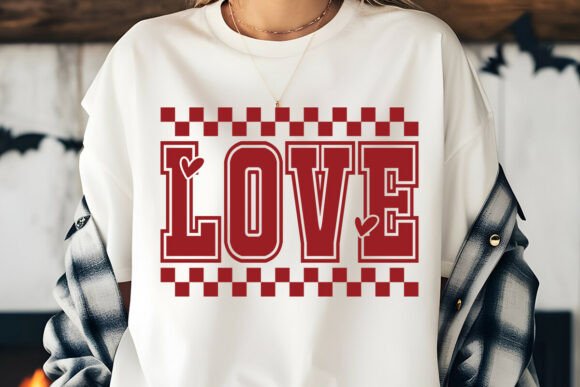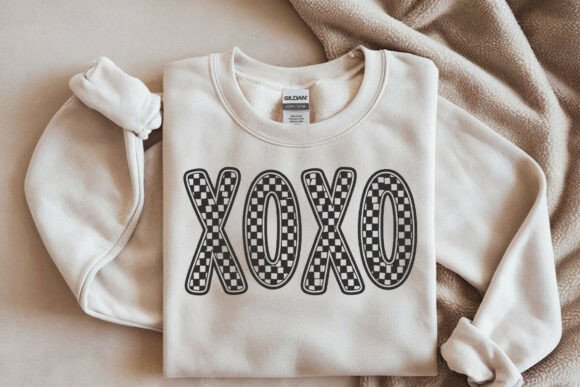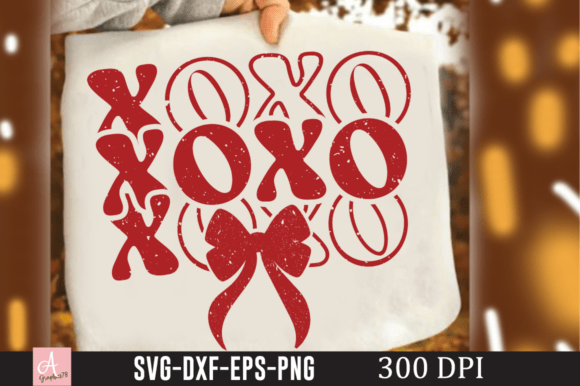
Retro Xoxo Coquette Valentines SVG Review
As a designer who spends more time staring at stitch density charts than actual art, I approach every new file with a healthy dose of skepticism. The market is flooded with generic clipart disguised as embroidery-ready assets, so when I pulled Retro Xoxo Coquette Valentines SVG from the pile to test for an upcoming boutique collection, I wasn’t expecting much. However, after running it through my digitizing workflow and stitching it out on various fabrics, I found myself pleasantly surprised by its practical application. This isn’t just another holiday throwaway; it’s a versatile machine embroidery design that understands the balance between trendy aesthetics and stitch-able reality.
The First Impression: Mood and Visual Personality
The moment you unbox this embroidery file, the vibe hits you immediately. It leans heavily into the "coquette" aesthetic that has taken over social media feeds, but it does so with a retro twist that keeps it from feeling overly saccharine. The layout feels balanced, utilizing negative space in a way that suggests the designer understands how thread behaves on fabric. Unlike some designs that cram every pixel of detail into a tiny area, this one breathes.
The visual personality is playful yet polished. It screams "handmade product" without looking amateurish. For those of us building a brand around custom apparel or personalized gifts, this kind of immediate emotional connection is crucial. It doesn’t just say "Valentine's Day"; it says "I made this for you with care." That distinction matters when you are trying to build trust with customers on platforms like Etsy or at local craft fairs.
Real-World Application: From Screen to Stitch
I decided to put this design to the test by creating a custom embroidered tote bag for a client gift. The goal was something durable enough for daily use but cute enough to warrant a photo on Instagram. Using the included high-resolution PNG for mockup previews helped me visualize the placement before committing to the hoop. Once stabilized and stitched, the results were clean.
This design shines when applied to soft textiles. I tested it on a heavy cotton canvas tote and a fleece-lined sweatshirt. On the sweatshirt embroidery project, the retro lines popped against the textured fabric, proving that the line weight is substantial enough to hold up against bulky materials. However, it also worked beautifully on finer fabrics like linen for a baby onesie, provided the stabilizer was chosen correctly.
- Tote Bag Design: The central placement creates a focal point that draws the eye without overwhelming the bag’s structure.
- Baby Embroidery: The rounded shapes are gentle and safe-looking, making it ideal for nursery decor or baby blankets.
- Holiday Embroidery: Beyond February, the retro color palette allows for easy adaptation to other seasons if you swap your thread colors.
Technical Performance and Stitch Clarity
From a technical standpoint, the design respects the limitations of the machine. The use of satin stitch for borders and outlines is crisp, avoiding the common pitfall of piling up too much thread in tight corners. This ensures that the finished product remains flat and comfortable, which is a major selling point for wearable items.
I paid close attention to the stitch density. In many cheaply digitized files, dense areas can cause puckering or needle breakage. Here, the spacing feels intentional. It allows the fabric texture to show through slightly, adding depth to the final piece. When I converted the design to a black-and-white mockup to check contrast, I noticed that the internal details remained distinct even at smaller scales. This is vital for small business owners who might be scaling down the design for apron pockets or cap fronts.
The inclusion of multiple formats—SVG, EPS, DXF, and PNG—means this digital embroidery file is incredibly flexible. If you are doing applique work, the SVG cuts cleanly for fabric pieces. If you are doing direct-to-garment printing or sublimation alongside your embroidery line, the 300 dpi PNG with a transparent background saves hours of editing time in Photoshop or Illustrator.
Where to Use It (And Where to Be Careful)
While this design is robust, no embroidery project is one-size-fits-all. There are specific scenarios where you need to exercise caution.
First, avoid using this on highly textured fabrics like chunky waffle knits or bouclé wool. The fine details will get lost in the weave, resulting in a muddy appearance. Similarly, stretchy jersey knits require a strong tear-away or cut-away stabilizer to prevent distortion, especially if you plan to wash the item frequently. Fabric texture plays a huge role in how the running stitch or fill areas settle.
Second, be mindful of hoop size constraints. While the design likely fits standard hoops, attempting to stitch it on a curved surface like a baseball cap can be tricky. The tension may vary across the curve, leading to uneven stitches. If you are placing this on a cap, I recommend testing a scrap piece of similar material first to dial in your tension settings.
Finally, consider the end-user. If this is a commercial item meant for frequent washing, ensure you are using high-quality polyester threads. Cotton threads may fray over time, detracting from the professional look of the finished product.
Impact on Brand and Customer Trust
In the world of handmade goods, presentation is everything. A well-executed embroidered patch or shirt elevates the perceived value of your shop. When a customer receives a package containing a Retro Xoxo Coquette Valentines SVG design that is stitched cleanly with good contrast, they perceive higher quality. This directly impacts reviews and repeat business.
Furthermore, the versatility of this design supports brand consistency. You can use the same motif across different products—a mug, a pillow cover, a kitchen towel—and create a cohesive collection. This strategy works wonders for Etsy sellers and small shop products looking to increase their average order value. Buyers love seeing a coordinated set, and it makes gifting easier for them.
Practical Designer Notes for Success
Before you rush into production, keep these tips in mind to ensure your craft business runs smoothly:
- Test on Scrap Fabric: Always run a test stitch on the exact fabric you plan to use. This reveals potential issues with puckering or color bleeding.
- Check Thread Contrast: Ensure your thread choice stands out against the fabric. Low contrast can make the design look dull or unfinished.
- Inspect Small Details: Zoom in on the digital file. Are there any tiny elements that might not stitch well? Simplify if necessary.
- Confirm Licensing: Since this is a commercial embroidery asset, verify the license terms. Can you sell the finished items? Are there limits on quantity?
- Use Proper Stabilizer: Match your stabilizer to your fabric weight. Heavy fabrics need heavy support; light fabrics need delicate handling.
Ultimately, Retro Xoxo Coquette Valentines SVG is a solid addition to any designer’s library. It bridges the gap between trendy digital graphics and tangible, high-quality embroidery. Whether you are a hobbyist making a heartfelt gift or an Etsy seller preparing for the Valentine’s rush, this design offers the clarity, charm, and reliability needed to succeed. Just remember: the best designs are the ones that are executed with care. Stitch smart, choose your threads wisely, and let the quality of your work speak for itself.