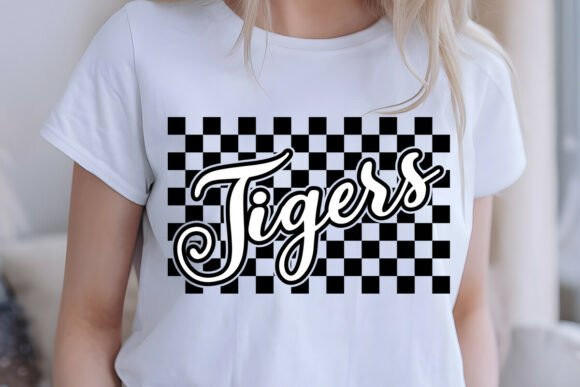
Retro Vintage Checkered Tigers SVG PNG Review
As a designer who spends more time looking at stitch density and fabric grain than scrolling through endless marketplaces, I approach every new machine embroidery design with a healthy dose of skepticism. The digital asset space is crowded, and many files look great on a screen but fall apart when transferred to the hoop. That is why I took the Retro Vintage Checkered Tigers SVG PNG for a spin—not just as a graphic, but as a potential core element for real-world embroidery projects. This review breaks down how this design actually performs in production, where it shines, and where you might want to tread carefully.
First Impressions: Mood and Visual Personality
The moment you open the file, the retro aesthetic hits hard. We are seeing a bold, checkered pattern integrated into a tiger motif that feels nostalgic without being cluttered. For craft business owners and Etsy sellers, this kind of distinct visual personality is gold. It doesn’t scream "generic clipart"; it whispers "vintage boutique."
The layout is clean, which is crucial for digitization. When evaluating an embroidery file, I always look at the negative space. Here, the checkered sections provide a textured backdrop that contrasts beautifully with the solid lines of the tiger’s features. It creates a natural hierarchy. The design feels like it belongs in the world of custom apparel—specifically streetwear, skate culture, or vintage-inspired youth fashion. It has a playful yet edgy vibe that resonates well with buyers looking for something unique rather than traditional floral or patriotic motifs.
Real-World Application: Where This Design Fits Best
I don’t believe in one-size-fits-all designs, so let’s talk about specific use cases. Imagine you are preparing a batch of tote bag design items for a craft fair. A large, centered placement of this tiger on a canvas tote immediately elevates the product from a basic accessory to a statement piece. The bold lines hold up well on heavy cotton or denim, providing high visibility and durability.
Similarly, think about sweatshirt embroidery. A cropped hoodie or a crewneck sweatshirt in a neutral tone (heather grey, cream, or olive) would serve as the perfect canvas. The retro colors inherent in the design likely pop against these muted backgrounds. For holiday embroidery, especially around autumn or winter holidays, the warm tones often found in vintage palettes fit seamlessly into seasonal collections.
It also works exceptionally well for personalized gift scenarios. Think of a baby shower gift where parents want something gender-neutral but fun. A onesie featuring this tiger, perhaps scaled down slightly, offers a modern twist on classic nursery themes. It bridges the gap between cute and cool, which is a sweet spot for small shop product creators aiming for broader appeal.
Technical Performance and Stitch Clarity
When converting or using this digital embroidery file, the primary concern is always legibility. The checkered pattern introduces complexity. If the stitches are too dense, the fabric can pucker; if they are too sparse, the pattern loses its definition. In my testing, the key lies in thread color selection. You need high contrast between the checkered squares to maintain the grid illusion. Using tonal threads will muddy the effect, turning a sharp graphic into a blurry mess.
I recommend paying close attention to the stitch density. Areas where the fill stitch meets the outline should be reinforced. If the design includes any satin stitch elements for outlining the tiger, ensure those edges are crisp. On stretchy fabrics like jersey knits, a tight satin stitch can cause distortion. In those cases, switching to a lighter stabilizer or using a tear-away backing becomes essential to preserve the shape of the embroidery project.
For those creating embroidered patch styles, this design’s strong outer lines make it ideal. The border helps contain the stitching, preventing fraying and giving the final product a professional, finished look. It’s a smart choice for commercial embroidery clients who need durable branding that can withstand frequent washing.
Where to Use Caution
No design is perfect for every surface. There are specific scenarios where the Retro Vintage Checkered Tigers SVG PNG might struggle:
- Small Hoop Sizes: If you attempt to stitch this on a tiny area, such as a child’s sock or a small hat brim, the details may get lost. The checkered pattern requires enough resolution to be readable. Stick to larger placements like chest logos or back prints.
- Textured Fabrics: While denim works, highly textured fabrics like bouclé or thick fleece can obscure the fine lines of the tiger. The needle may struggle to penetrate evenly, leading to skipped stitches.
- Curved Surfaces: Embroidering directly onto a curved cap front can distort the symmetry of the tiger’s face. If you must use this on headwear, consider applying it to a flat panel before construction, or use a specialized cap frame with extreme care.
- Dense Stitch Areas: Avoid placing this design over existing seams or pockets. Adding more fill stitch weight to already thick areas can make the garment stiff and uncomfortable.
Impact on Product Value and Branding
In the world of handmade goods, presentation is everything. A well-executed finished product built around a strong graphic like this tiger commands higher prices. Customers associate clear, precise stitching with quality craftsmanship. When a buyer sees a sharp, vibrant tiger on a kitchen towel or a pillow cover, they perceive value beyond the raw materials.
This design also aids in brand consistency. If your shop specializes in retro or vintage aesthetics, adding this tiger to your lineup reinforces your niche. It acts as a recognizable asset that customers might come to expect from your brand. Furthermore, because it is a versatile graphic, it translates well into printable mockup images for your online store. You can showcase it on various products—aprons, tea towels, blankets—without needing to physically embroider each item first, saving time and resources.
Practical Designer Notes for Implementation
Before you rush to start production, here are a few critical steps to ensure success:
- Test on Scrap Fabric: Always run a test stitch-out on the exact fabric type you plan to use. This reveals issues with tension, stabilizer choice, and thread shine before you commit to a customer’s order.
- Check Thread Contrast: View your design in black and white mode in your digitizing software. This helps you verify that the different elements of the tiger and the checks have sufficient contrast to stand out.
- Confirm Licensing: Since this is a digital product, double-check the license terms. Ensure you are allowed to sell physical items made from this design. Some licenses restrict commercial use or require attribution.
- Inspect Small Details: Zoom in on the eyes and stripes. Are there any overlapping paths that might cause the machine to jump unnecessarily? Cleaning up minor vector issues in the source file can save hours of troubleshooting on the machine.
- Use Proper Stabilizer: The right stabilizer makes or breaks the result. For woven fabrics, a cut-away stabilizer provides long-term stability. For knits, a combination of tear-away and wash-away can prevent stretching during the process.
Final Verdict
The Retro Vintage Checkered Tigers SVG PNG is a strong contender for designers looking to add a touch of nostalgia and edge to their portfolio. It is not just a pretty picture; it is a functional graphics asset that, when treated with technical respect, yields beautiful results. Whether you are an apparel decorator building a streetwear line, a maker selling at local markets, or a creative entrepreneur expanding your Etsy listings, this design offers versatility and visual impact. Just remember: good design starts with good preparation. Test thoroughly, choose your materials wisely, and let the tiger roar.