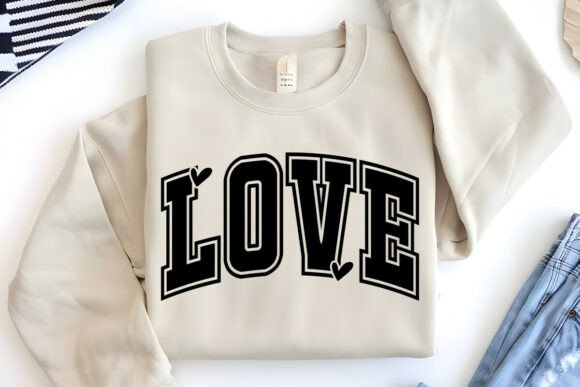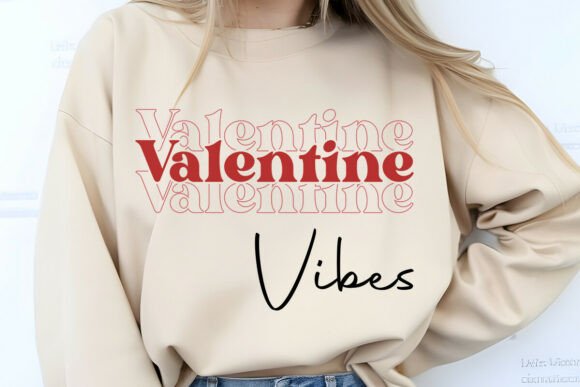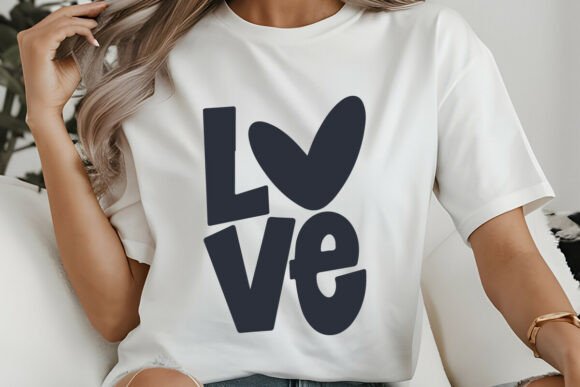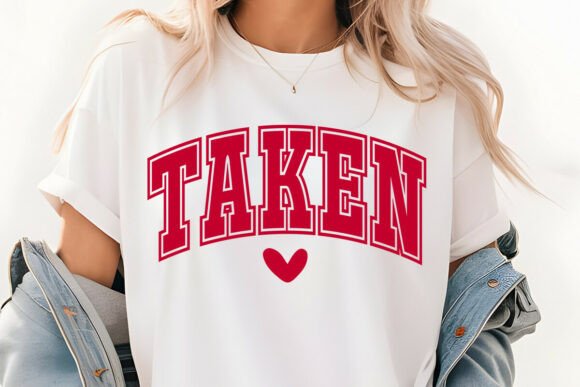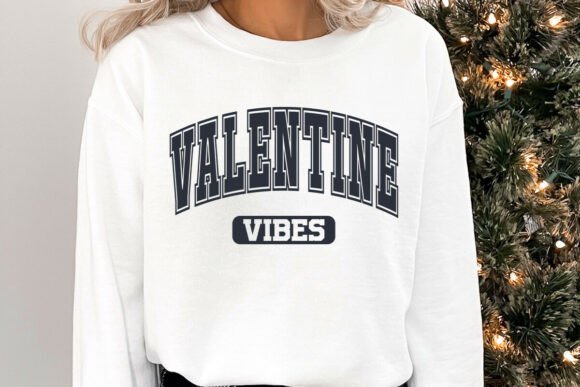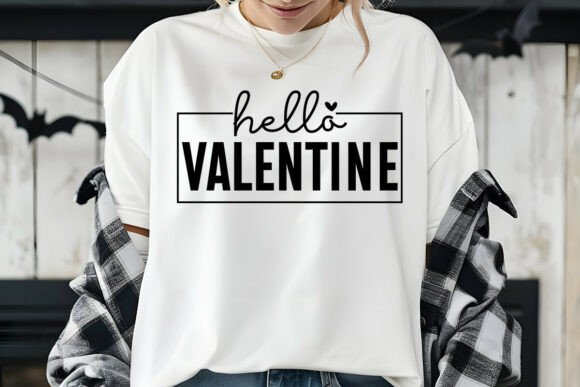
Retro Hello Valentine Shirt SVG PNG
As a designer who spends half my life in the embroidery hoop and the other half staring at vector files, I have developed a specific set of criteria for what makes a digital asset actually work in the real world. Too often, designs look beautiful on a screen but fall apart under the needle. That is why I approach every new download with a mix of optimism and skepticism. When I pulled up Retro Hello Valentine Shirt SVG PNG, my first instinct was to evaluate it not just as a graphic, but as a functional component of a physical product.
The market is saturated with Valentine’s Day content, so standing out requires more than just red hearts and generic script. This design arrives in a zip folder containing SVG formats, which immediately signals its primary utility: cutting and layering rather than pure machine stitching. However, for those of us in the crafts and graphics space, the line between a cut file and an embroidery base is often blurred. The "Retro" aesthetic suggests a specific mood—one that feels nostalgic, playful, and slightly imperfect in a charming way. It evokes the mid-century modern vibe mixed with 90s nostalgia, a combination that resonates strongly with current handmade trends.
First Impressions and Visual Personality
The visual personality of Retro Hello Valentine Shirt SVG PNG is defined by its boldness. In the world of small business merchandise, you have about three seconds to grab attention. This design does that through clear hierarchy and strong shapes. The typography likely carries the weight of the piece, suggesting a font choice that prioritizes readability from a distance. For a custom apparel project, legibility is king. If a customer cannot read the message while walking down the street, the design has failed its primary purpose.
The retro theme allows for flexibility in color palettes. While Valentine’s Day naturally pulls toward pinks and reds, a true retro feel often incorporates muted tones, mustard yellows, or deep teals. This versatility is crucial for boutique branding. A seller looking to create a cohesive collection can use this design as a anchor, building surrounding products around its color story. It feels less like a fleeting holiday trend and more like a timeless statement piece, which increases its potential lifespan beyond February 14th.
Real-World Application: From Screen to Stitch
Let’s talk about how this translates to actual production. Imagine preparing a batch of custom embroidered tote bags for a local craft fair. You want something that looks professional but doesn’t require hours of complex digitizing. Using Retro Hello Valentine Shirt SVG PNG as a guide for appliqué or large fill stitches can save significant time. The clean lines typical of SVG assets make them excellent candidates for converting into embroidery files, provided the details are simplified appropriately.
I recently considered using a similar layout for a sweatshirt embroidery project aimed at young adults. The challenge with sweatshirts is fabric texture; the loops can obscure fine details. This design’s bold nature works in its favor here. By keeping the elements large and distinct, the finished product maintains clarity even on a thick, textured knit. It transforms a basic garment into a personalized gift that feels curated rather than mass-produced.
For Etsy sellers and digital product creators, this asset serves multiple roles. It can be used to create printable mockups that showcase how the design looks on various garments. These mockups are essential for driving sales because they help buyers visualize the final outcome. Additionally, if you are selling digital downloads, offering this as part of a larger design assets bundle adds value. Buyers love convenience, and having a pre-vetted, aesthetically pleasing core element reduces their workload.
Where Caution Is Required
Not every surface is created equal, and Retro Hello Valentine Shirt SVG PNG will behave differently depending on where you place it. I would advise against attempting this design on highly textured fabrics like bouclé or heavy waffle knits unless you are using a substantial stabilizer. The lack of smooth ground can cause distortion, especially if the design includes tiny lettering or intricate decorative accents.
Stretchy fabrics present another hurdle. When embroidering on t-shirts or caps, the fabric stretches during the process and may relax afterward, causing puckering. If the design relies on precise alignment of text and graphics, this movement can throw off the balance. To mitigate this, always test on scrap fabric first. Use a tear-away or cut-away stabilizer appropriate for the fabric weight, and ensure the hoop size provides enough stability without distorting the material.
Dark fabrics also require strategic planning. Embroidery thread opacity varies, and light-colored threads may not cover dark backgrounds effectively without excessive layers. This increases stitch density and bulk, which can make the finished product stiff and uncomfortable. If you plan to use this design on black or navy items, consider switching to metallic threads or opting for a contrasting bright palette to maintain visual impact.
Technical Considerations for Designers
Before committing to a full production run, there are several technical checks every experienced maker should perform. First, inspect the small details. Are there any thin lines or isolated pixels that might break during stitching? Simplifying these areas can prevent thread breaks and reduce maintenance time.
Thread color contrast is equally important. Test your chosen thread colors against the fabric background. A quick trick is to take a black-and-white photo of your mockup; if the design loses definition in grayscale, it likely won’t pop in color either. This step helps ensure that the visual appeal remains intact regardless of lighting conditions.
Stitch density is another critical factor. High-density fills look luxurious but add weight and stiffness. For items like baby clothes or aprons, lighter density is preferable for comfort and washability. Check whether the design works for both personal use and commercial projects. If you intend to sell finished items, confirm the licensing terms associated with the digital embroidery file. Some creators allow commercial use, while others restrict it to personal gifts only.
Building Trust Through Quality
In the handmade product market, quality speaks louder than marketing copy. Customers trust brands that deliver consistent, well-executed results. Using a well-designed source like Retro Hello Valentine Shirt SVG PNG sets a high baseline for professionalism. When combined with proper technique—correct tension, sharp needles, and quality thread—the final product reflects positively on your brand.
This approach also enhances giftability. Whether it’s a wedding gift, a holiday surprise, or a boutique purchase, people appreciate items that show thought and care. A clean, stylish design that stands up to scrutiny elevates the perceived value of the item. It transforms a simple shirt or tote bag into a keepsake.
Ultimately, evaluating Retro Hello Valentine Shirt SVG PNG comes down to practicality and aesthetic fit. It offers a versatile foundation for various embroidery project types, from casual wear to formal accessories. By understanding its strengths and limitations, you can leverage its retro charm to create standout pieces. Remember to always verify format compatibility, test on scraps, and respect licensing agreements. With these steps, you can confidently integrate this design into your workflow, knowing it will hold up in real-world scenarios and delight your customers.